If you train hard, have a sweet tooth, or just want a dessert that pulls its weight nutritionally, a 3-ingredient no-bake cottage cheese cheesecake is one of those rare recipes that punches way above its class. It uses the fridge instead of the oven, lands a clean 20 to 35 grams of protein per slice depending on size, and comes together in the kind of time window you can protect on a weeknight. The trick is choosing the right three ingredients and handling them like a pastry chef who cares about texture, not just macros.
I’ve tested this under real constraints. Apartment fridge barely cold enough. Cheap blender. Grocery store brands that fluctuate from silky to lumpy by batch. It still works, and when you dial the small details, it’s good enough to serve to people who roll their eyes at “healthy dessert.”
Let’s get you there.
What do we mean by “3 ingredients”?
This recipe has three functional parts: a protein-rich base, a sweetener that sets, and flavor. You can make it with only those three, but I’ll flag a couple of optional tweaks you might decide are “free” because they don’t change the spirit of the recipe.
- Base: full-fat or low-fat cottage cheese Sweetener that sets: a sugar-free pudding mix or a clear protein gelatin mix Flavor: lemon juice or vanilla extract
That is the truly minimalist version. If you want a crust, you can press in a quick one, but it will take you out of strict “3 ingredient” territory. I’ll show a crustless and a crust option, then give you realistic substitutes so you can adapt to whatever is in your pantry.
The texture problem, and how we solve it
Cottage cheese has personality. The curds make it taste fresh, but they can leave a gritty mouthfeel if you don’t blend long enough or choose the right brand. No-bake cheesecakes also rely on something to hold the mixture. Traditional versions use gelatin, baked eggs, or a lot of sugar and cream cheese. We lean on instant pudding mix or a protein gelatin blend to set the batter in the fridge without heating it.
Here’s what matters most:
- Blend until completely silky. This is not a two-pulse job. Give it 60 to 90 seconds in a high-speed blender, scrape the sides, then another 30 to 45 seconds. If you’re using a weaker blender, blend in two batches and combine later. Use cold ingredients, and chill your mixing bowl if your kitchen is warm. The set happens faster and cleaner when the base starts cold. Give it time. In most fridges this needs 4 to 6 hours to set, and it improves overnight.
If you nail these, you avoid the two main failure modes: sandy texture and a soft, slumpy set.
The core recipe (crustless, 3 ingredients)
This is the version I make when I want dessert tonight and minimal washing up.
Yield: 8 modest slices, or 6 generous ones
Time: 10 minutes active, 4 to 8 hours chilling
Ingredients:
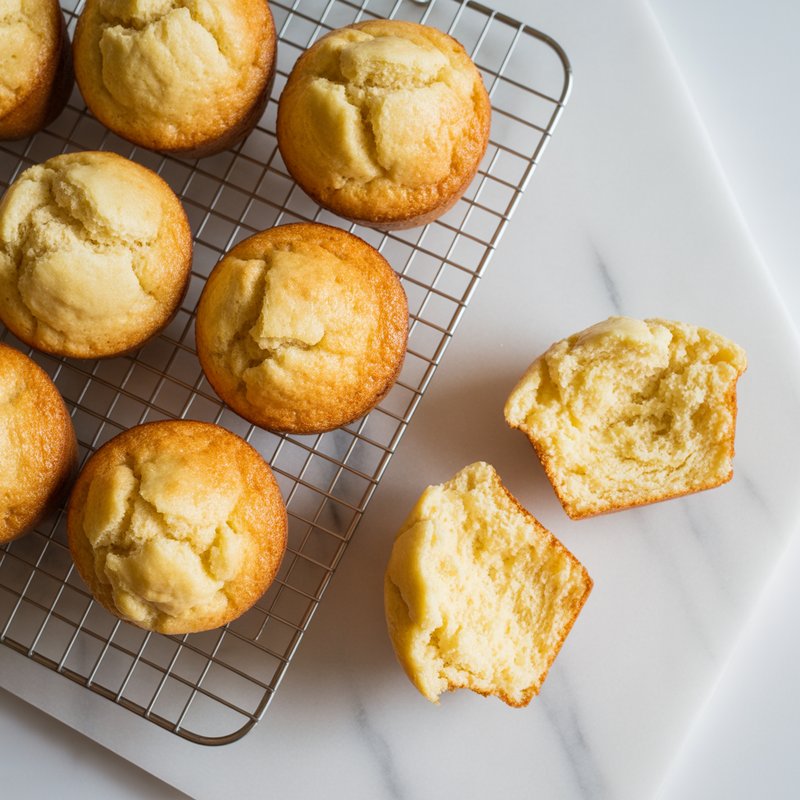
- 900 g cottage cheese (about 32 oz, 2 typical containers). Choose 2% or full-fat if you want more creaminess, fat-free if you’re chasing macros. 40 g instant sugar-free pudding mix, any flavor that plays well with lemon or vanilla. Vanilla and cheesecake flavors are safe choices. One standard small box is 28 to 40 g depending on brand; aim for 40 g total for a firm set. Flavor: either 2 teaspoons vanilla extract, or 2 tablespoons fresh lemon juice. Both work, and lemon cuts dairy notes especially well.
Method:
- Drain off any excess liquid from the cottage cheese tub, but don’t press it dry. You want the natural moisture. Blend the cottage cheese until completely smooth. Use medium-high speed, scrape, then blend again. Go past the point you think is “done.” Add the pudding mix and your chosen flavor, then blend for another 15 to 20 seconds, just until incorporated. Overblending here can introduce bubbles that take longer to settle. Pour into an 8 or 9 inch springform pan lined with parchment on the base. If you don’t have a springform, a glass pie dish works; lightly spray it for easier slicing. Tap the pan on the counter a few times to pop surface bubbles. Cover and refrigerate 4 to 8 hours, ideally overnight.
How it tastes: light, creamy, and closer to a mousse-cheesecake hybrid than a dense New York slice. The lemon version leans toward classic cheesecake brightness, the vanilla reads like a custardy pudding set into sliceable form. Both take fruit or chocolate drizzle nicely.
Protein and calories: expect roughly 18 to 22 g protein per 1/8 slice with 2% cottage cheese, a bit higher if you use higher-protein brands. Calories land around 120 to 160 per slice depending on fat percentage and any toppings.
If you want an actual crust
If you want that first-bite contrast, add a basic press-in crust. It means you’re stepping past three ingredients, but the payoff is real.
Use 160 g graham cracker crumbs mixed with 50 g melted butter and a pinch of salt. Press into the pan, freeze 10 minutes while you make the filling, then pour and chill as above. If you want to stay fully no-bake and lighter, swap butter with 80 g vanilla Greek yogurt and 10 g honey, press, and freeze. The yogurt version softens faster on the plate, but it’s still sliceable.
Ingredient choices you’ll feel in the final slice
Cottage cheese: This is the backbone. The brand matters more than people think. Some mainstream tubs have a chalkier curd that takes longer to smooth. If you have access to a “whipped” cottage cheese, that’s essentially pre-blended and shortens your blending time. I like 2% for balance. Full-fat reads richer, but the difference is closer to “oh, that’s nice” rather than “wow, that’s a different dessert.”
Pudding mix: Sugar-free instant pudding mix sets quickly and consistently without heating. Cheesecake, vanilla, French vanilla, and white chocolate flavors behave similarly. Chocolate works too, but it dominates, and you lose that cheesecake vibe. If you avoid artificial sweeteners, this recipe can still work with a neutral gelatin alternative and a separate sweetener, but you’ll need to bloom and heat the gelatin briefly. I’ll walk that option below.
Flavor: Lemon juice or vanilla extract is the dividing line. Lemon removes any lingering dairy aroma and brightens everything. Vanilla gives a softer, more classic “pudding shop” profile. Start with the amounts above and adjust next time after you taste a chilled slice. Flavor blooms as it sets, so don’t overshoot at blending time.
A practical detour: what if you don’t use pudding mix?
Some people don’t want artificial sweeteners or specific starches in pudding mixes. That’s fair. You can use unflavored gelatin and your preferred sweetener.
Here’s the swap:
- 900 g cottage cheese 10 g unflavored gelatin, bloomed in 60 g cold water 60 to 100 g sugar or 40 to 60 g allulose or 25 to 35 g powdered erythritol, plus your flavor of choice (vanilla or lemon)
Bloom the gelatin by sprinkling it over the cold water in a small bowl. Let it sit 5 minutes, then microwave in short bursts just until melted and clear, not boiling. Blend the cottage cheese until smooth with your sweetener and flavor. With the blender running on low, stream in the melted gelatin. Pour and chill as before.
Texture note: Gelatin sets firmer at lower water activity, and cottage cheese has some whey. If the set is too firm for you, reduce gelatin to 7 g next time. If it is too soft, go to 12 g. Avoid adding protein powder here unless you are ready to rebalance liquids. It thickens unpredictably and can leave a pasty finish if you overshoot.
How to fix common mistakes
Overtang from lemon: If you tasted the batter and thought “too tart,” it will feel even brighter when cold. Keep lemon juice at 1.5 to 2 tablespoons per 900 g cottage cheese. Zest adds lemon aroma without more acid, so if you want more lemony flavor, add 1 teaspoon zest instead of extra juice.
Grainy texture: You didn’t blend long enough, or the blender cavitated. Stop, scrape, and go again. In stubborn cases, add 30 g Greek yogurt to help it emulsify. If you already poured, whisk it aggressively and re-pour. It will still set.
Doesn’t set: If you used pudding mix and it stayed soft, the two common causes are a warm fridge or too little mix. Increase to a full 40 g and chill overnight on a shelf with good airflow, not tucked in a door. If you used gelatin, it may have not melted fully. Next time, make sure the gelatin turns liquid and clear before streaming in.
Rubbery, too firm: You used too much gelatin or too much pudding mix for your moisture level. https://chillaqpc815.tearosediner.net/cottage-cheese-chocolate-protein-pudding-in-2-minutes Next batch, dial down by 20 percent. In a pinch, you can blend a splash of milk into a slice and treat it like thick pudding. Not elegant, still tasty.
Watery layer at the bottom: That’s whey separation. It happens if the cottage cheese was extra wet and your mix under-set. You can strain cottage cheese in a fine mesh sieve for 30 minutes before blending if your brand runs watery.
Flavor variations that don’t break the “3 ingredient” spirit
I’m not trying to play word games, but small tweaks can dramatically improve the experience without turning this into a 12-ingredient project. Pick one optional add-on if you like.
- Citrus-lovers version: go with lemon juice for your flavor, and add the zest of half a lemon. Zest isn’t a separate “ingredient” in my kitchen since it’s attached to the lemon, and the aroma leap is significant. Vanilla bean upgrade: swap vanilla extract for half a scraped vanilla bean if you have one. It’s a splurge, but the speckles sell it visually. Cocoa marble: make the vanilla base, pull out 1 cup, whisk in 6 to 8 g cocoa powder to that portion, then marble it through before chilling. Cocoa absorbs liquid; the rest of the cake keeps the set balanced.
If you’re presenting to guests, a quick berry topping after chilling gives a classic cheesecake signal with minimal sugar. Macerate 200 g sliced strawberries with 1 to 2 teaspoons sugar and a squeeze of lemon for 10 minutes, then spoon over slices.
A realistic weeknight scenario
Here’s how this plays out in a normal kitchen.
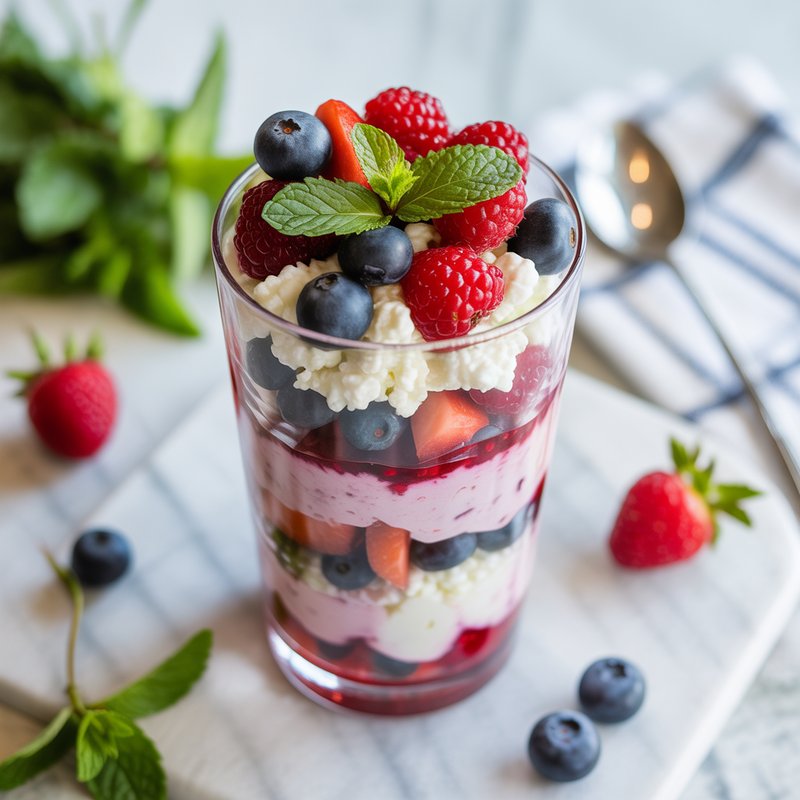
It’s 7:10 p.m. and you’re clearing dinner plates. You want something that feels like dessert but won’t hammer tomorrow’s training. You have one tub of 2% cottage cheese, a second half-used, and a box of sugar-free vanilla pudding, plus a lemon that’s getting a little soft.
You drain the cottage cheese quickly, blend everything smooth, add the pudding and lemon juice, and hit blend again. It looks silky. You pour into a parchment-lined springform because it unmolds cleanly and looks like you tried. Tap the pan, stick it on the top shelf, and forget it.
At 10 p.m., it jiggles but not sloshy. You cut a slice and it holds. It does the job now, and it tastes better tomorrow. You take a photo because it looks like an actual cheesecake and you’re mildly proud. You also make a note: next time, use vanilla and zest, because the lemon was a touch loud for your taste.
That’s all you need most nights.
How this compares to Greek yogurt “cheesecakes” and baked versions
Greek yogurt versions rely on casein thickness plus gelatin or pudding. They set faster, but they can feel tangier and thinner on the palate. Cottage cheese brings a cheesier note that reads more like classic cheesecake, and it blends into a creamier texture when you give it the time.
Traditional baked cheesecakes use cream cheese, sugar, eggs, and baking. They’re denser, richer, and sit differently after a meal. No-bake cottage cheese versions won’t replace a special-occasion New York cheesecake, and that’s fine. The use case here is an everyday dessert that supports training, portion control, and time constraints.
If you’re chasing an almost baked-like density, you can go half-and-half cottage cheese and reduced-fat cream cheese, still no-bake with pudding mix. That’s not a 3 ingredient recipe anymore, but it’s a middle path that wins converts.
Macros, ballpark numbers, and how to adjust them
Cottage cheese ranges from 11 to 15 g protein per 100 g depending on brand and fat level. With 900 g in the full batch, you’re looking at 100 to 130 g protein in the entire cake before any crust or toppings. That divides into 12 to 22 g per slice depending on how you cut it.
Calories swing with fat percentage:
- Fat-free cottage cheese: roughly 400 to 500 calories in the base, plus minor calories from the pudding. Eight slices land around 60 to 80 calories each, which can feel aggressively light and less creamy. 2% cottage cheese: roughly 650 to 800 calories in the base. Slices sit around 100 to 140 calories each and taste closer to a real dessert. Full-fat: you’ll land 1,000 to 1,100 calories in the base. Slices move to 140 to 190 calories and the texture turns unmistakably cheesecake-like.
To nudge protein higher without breaking texture, use a higher-protein cottage cheese brand or swap 150 g of the cottage cheese for strained nonfat Greek yogurt. Avoid dry whey or casein in the main mix unless you rebalance liquid, because a single scoop can thicken the batter past smooth and turn chalky after setting.
Tiny details that make a big difference
Pan choice: A springform pan makes clean edges and satisfying slices, and parchment on the base stops any sticking. If you unmold, run a thin knife around the sides first to release suction.
Air bubbles: Too much trapped air looks pockmarked after chilling. Keep the final blend short, and tap the pan. If bubbles persist, pass the top under a quick burst of a kitchen torch, or just live with it. Once you cover with berries, it’s moot.
Salt: A pinch of fine salt wakes the flavor up. If your cottage cheese is aggressively salty already, skip it. If it tastes flat, a little salt makes the vanilla or lemon pop.
Sweetness perception: Cold desserts read less sweet. If you taste the batter at room temperature and think “barely sweet,” it may feel undersweet when cold. With pudding mix, you’re stuck with the mix’s sweetness curve. If you’re using gelatin plus your own sweetener, build in a small buffer, say 5 percent more sweetness than tastes perfect at room temp.
Storage: This holds 3 to 4 days covered in the fridge. The set actually improves on day two, then gradually weeps a bit by day four, especially with a fruit topping. It freezes, but thawed texture gets a little spongy. If you must freeze, slice first, wrap individually, and thaw in the fridge, not on the counter.
A quick variant for people with no blender
You can make this with a food processor or even a stick blender, but if all you have is a mixing bowl and elbow grease, use whipped cottage cheese if your store carries it. It’s pre-smooth. Whisk in the pudding mix and flavor until glossy, then chill. The set is the same; the mouthfeel will be slightly less silky than a high-speed blend, but still enjoyable.
If your only option is regular cottage cheese and a whisk, you can push it through a fine mesh sieve with a sturdy spatula to break the curds before whisking in the pudding. It’s not fun, but it works, and the texture reward is worth the effort.
When to choose lemon over vanilla, and vice versa
Lemon is your move if:
- You’re serving fruit on top. Your cottage cheese brand has a noticeable dairy aroma you want to mask. You like a cheesecakey tang without going sour.
Vanilla wins if:
- You’re pairing with chocolate drizzle or a cookie crust. You want a softer, dessert-shop vibe. You plan to flavor with a second layer, like a cocoa marble or espresso swirl.
If you can’t decide, split the batch. Pour half the vanilla base into the pan, stir 1 tablespoon lemon juice into the remaining half, then layer gently. You’ll get a subtle flavor gradient, not a science project.
Service notes and small plating moves
A clean slice is mostly about patience and a hot knife. Dip a chef’s knife in hot water, wipe, cut, wipe again between slices. If you added a soft fruit topping, spoon it on after slicing so you can control the edges.
For a five-minute guest-ready finish, warm 2 tablespoons of apricot jam with 1 teaspoon water until thin and brush it lightly over fresh berries piled on top. It looks like you know pastry. The glaze sets as it cools and keeps berries shiny.
If you want a chocolate note without changing the base, microwave 30 g dark chocolate with 1 teaspoon neutral oil at low power and drizzle. The oil keeps it glossy and prevents a hard snap that can tear the set surface when you slice.
Troubleshooting by symptoms
- Tastes too “cottage cheesey”: add lemon next time, or increase vanilla by 1/2 teaspoon. You can also fold in 60 g Greek yogurt for a cultured tang that moves the flavor profile toward cheesecake. Set is uneven, firmer at edges than center: your fridge shelf runs warm in the middle or the pan was placed on a crowded shelf. Move it to a top shelf with space around it. A metal pan equilibrates faster than glass. Water pooled on top after two days: cover loosely, not airtight, to prevent condensation dripping back on the surface. A paper towel under the lid absorbs moisture. It’s not glamorous, but it works.
The simplest path to consistency
If you want a reliable base you can repeat without thinking, memorize these ratios relative to the cottage cheese weight:
- 900 g cottage cheese to 40 g instant pudding mix, plus 2 teaspoons vanilla or 2 tablespoons lemon juice. Chill 6 hours minimum. Blend past smooth, not just smooth.
You can halve or double the batch easily. A 450 g cottage cheese batch sets in a loaf pan and chills a touch faster.
Why this recipe survives busy weeks
It uses cheap, accessible ingredients, you can assemble it in under 10 minutes, and it solves a concrete problem for anyone who tries to eat more protein without cooking a second meal after dinner. It also travels well. Pack a slice in a container with a cold gel pack and you’ve got a post-lift dessert that won’t melt into soup by lunch.
And even if you blow a detail, it fails into something edible. A too-soft set is pudding. A too-firm set slices like a panna cotta-esque bar. Serve either with berries and nobody complains.
Make it once as written. Then change one thing at a time until it tastes like your house version. That’s how this becomes a habit, not a novelty.